Tag: innovation

  • How Devices Have Changed in the Last 30 Years: From Basic Tools to Intelligent Digital Ecosystems

    How Devices Have Changed in the Last 30 Years: From Basic Tools to Intelligent Digital Ecosystems

    Over the past 30 years, technology has reshaped human life in ways that were once considered science fiction. Devices that used to serve only one basic function have evolved into powerful, multifunctional tools that are deeply integrated into everyday routines. This transformation has not only improved convenience but has also completely redefined how people communicate, learn, work, and entertain themselves.

    In the early 1990s, digital devices were limited in capability and accessibility. Mobile phones were primarily used for voice communication, computers were large and expensive machines used mostly in offices, and televisions were passive entertainment devices with limited channels. Internet access was slow, rare, and often expensive. Most people interacted with technology only when necessary.

    Fast forward to today, and the situation is completely different. Nearly every device is connected, intelligent, and capable of performing multiple complex tasks at once. Smartphones have become portable computers. Laptops rival traditional desktop systems in power. Smart TVs connect directly to streaming platforms. Even household appliances are now part of a connected digital ecosystem.

    This evolution represents more than just technological progress. It reflects a deeper transformation in human behavior, global communication, and economic structures. The way people interact with information and with each other has changed permanently.

    The Evolution of Everyday Devices Over 30 Years

    The most visible transformation has taken place in mobile technology. In the 1990s, mobile phones were large, heavy, and limited to basic functions such as calling and sending short text messages. The user experience was minimal, and devices were often seen as luxury items rather than necessities.

    Today’s smartphones are entirely different. They function as all-in-one digital hubs that combine communication, entertainment, productivity, and navigation. A modern smartphone allows users to browse the internet, attend video conferences, manage finances, edit high-quality videos, and even control smart home systems. Artificial intelligence enhances many of these functions, from predictive text and voice assistants to advanced camera optimization and real-time language translation.

    Computers have undergone a similar transformation. In the past, desktop computers were large machines with limited processing power and storage. Software was basic, and internet connectivity was slow or non-existent for many users. Today, computers are compact, extremely powerful, and capable of handling advanced tasks such as machine learning, 3D rendering, software development, and cloud computing.

    The rise of laptops and ultrabooks has completely changed professional environments. Work is no longer tied to physical offices. People can now work remotely from anywhere in the world, collaborate in real time across different countries, and access powerful cloud-based tools that were not available decades ago. This shift has given rise to digital nomads and global remote work culture.

    Television technology has also experienced a major revolution. In the past, TVs were analog devices with limited channels and no interactivity. Viewers had no control over content schedules and were restricted to broadcast programming. Modern Smart TVs, however, are fully connected entertainment systems. They allow users to stream content on demand, browse the internet, install applications, and interact using voice commands. This shift has completely changed how people consume media.

    Audio devices have also evolved significantly. Traditional formats such as cassette tapes, CDs, and radio broadcasts have been replaced by digital streaming platforms. Music is now accessible instantly through services that offer millions of songs. Wireless headphones, Bluetooth speakers, and smart assistants have changed how people interact with audio content, making it more personalized and portable than ever before.

    Photography and video recording have undergone one of the most dramatic transformations. Film-based cameras required physical rolls, careful exposure settings, and time-consuming development processes. Digital cameras and smartphone cameras now use advanced sensors and artificial intelligence to capture, process, and enhance images instantly. Features such as night mode, portrait enhancement, and facial recognition have made high-quality photography accessible to everyone.

    The Impact of Device Evolution on Modern Society

    The evolution of devices has had a profound impact on global society. Communication is now instant, global, and continuous. People can send messages, make video calls, and share multimedia content across continents in seconds. This has strengthened personal relationships and transformed business communication on a global scale.

    In the workplace, digital devices have created entirely new industries and job roles. Fields such as software engineering, data science, cybersecurity, digital marketing, and content creation depend entirely on modern technology. Many traditional jobs have also been transformed by digital tools, increasing efficiency and productivity.

    Education has become more accessible and flexible due to digital devices. Online learning platforms, virtual classrooms, and educational apps allow students to study from anywhere in the world. Knowledge is no longer limited to physical classrooms or libraries. This democratization of education has significantly increased learning opportunities for people in different regions.

    Entertainment has also shifted from passive consumption to interactive participation. Users now choose what they want to watch, when they want to watch it, and how they want to interact with content. Streaming platforms, online gaming, and social media have created a continuous digital entertainment ecosystem that is always active and evolving.

    Key Factors That Made This Evolution Possible

    Several important technological advancements have made this transformation possible. One of the most significant is the development of high-speed internet. Without fast and reliable connectivity, modern digital ecosystems would not exist. The internet has become the backbone of all connected devices.

    Another critical factor is hardware miniaturization. Over time, electronic components have become smaller, faster, and more efficient. This has allowed manufacturers to build powerful devices that fit into small, portable designs such as smartphones and wearable technology.

    Battery technology has also improved dramatically. Modern lithium-ion and emerging solid-state batteries provide longer life and faster charging capabilities, making mobile devices practical for daily use.

    Artificial intelligence is another major driver of change. AI systems are now integrated into nearly every modern device. They enable voice assistants, recommendation systems, predictive typing, image processing, and smart automation features that adapt to user behavior.

    Cloud computing has also revolutionized the digital world. Instead of relying solely on local storage and processing, users can now access powerful remote servers that handle data storage, computation, and application hosting from anywhere in the world.

    Benefits of Modern Device Evolution

    One of the most important benefits is global connectivity. People are no longer limited by geography when communicating or collaborating. This has created a more connected and integrated global society.

    Access to information has also dramatically improved. Search engines, online databases, and educational platforms provide instant access to knowledge on virtually any topic. This has reduced barriers to education and increased opportunities for learning worldwide.

    The digital economy has created millions of new jobs and industries. From app development and e-commerce to content creation and online services, technology has opened new paths for income generation and entrepreneurship.

    Productivity has significantly increased thanks to automation and digital tools. Tasks that once required hours can now be completed in minutes using software solutions and AI-powered systems.

    Daily life has become more convenient. Activities such as banking, shopping, navigation, communication, and entertainment can now be managed entirely through digital devices.

    How People Adapt to Modern Devices

    Adapting to modern technology begins with understanding basic digital tools. Smartphones, computers, and online platforms are now essential in daily life, so familiarity with them is important.

    Developing digital literacy is the next step. This includes learning how to use the internet safely, managing digital accounts, and understanding basic cybersecurity practices.

    Regular practice is essential for building confidence. The more people use digital devices, the more comfortable they become with advanced features and applications.

    Continuous learning is also necessary because technology evolves rapidly. Online tutorials, courses, and digital communities provide opportunities to stay updated.

    Exploring different applications and tools helps users understand how technology can improve productivity, communication, and lifestyle efficiency.

    Important Tips for Navigating the Digital Age

    One key principle is to embrace change. Technology will continue to evolve, and adapting is essential for staying relevant in a digital world.

    It is also important to avoid overdependence on automation. While devices are powerful, maintaining critical thinking and basic skills remains important.

    Digital security should always be a priority. Protecting personal information and practicing safe online behavior is essential in a connected world.

    Technology should be used intentionally. Devices should enhance life quality rather than create distraction or dependency.

    Finally, lifelong learning is one of the most valuable habits in the digital age. Those who continue to learn and adapt will benefit the most from technological progress.

    Over the past 30 years, technological devices have evolved from simple, single-function tools into highly intelligent, interconnected systems that shape nearly every aspect of modern life. This transformation has fundamentally changed how people communicate, work, learn, and interact with the world.

    The evolution of devices has created a more connected, efficient, and digital society. Tasks that once required multiple tools and significant effort can now be completed instantly through integrated systems powered by artificial intelligence and cloud computing.

    As technology continues to advance, devices will become even more intelligent, personalized, and integrated into daily life. Understanding this evolution is essential for adapting to the future and making the most of the opportunities that digital innovation continues to create.

  • The New Generation of Smart Homes: How Technology Is Transforming Modern Living

    The New Generation of Smart Homes: How Technology Is Transforming Modern Living

    Introduction

    The way people live is changing in a quiet but powerful way. Not long ago, the idea of a smart home belonged mostly to science fiction or high-end technology showcases. Today, however, it is becoming an increasingly common reality in many parts of the world.

    Modern smart homes are no longer just houses with connected devices. They are integrated systems capable of learning human behavior, automating daily routines, and improving comfort, safety, and energy efficiency with minimal human intervention. This transformation represents more than convenience; it reflects a fundamental shift in how humans interact with their living environments.

    Technology is no longer something external that people simply use. It has become embedded within the home itself. From lights that adjust automatically to systems that regulate temperature based on occupancy, the home environment is evolving into something dynamic, responsive, and intelligent.

    The gradual transformation of everyday living

    The shift toward smart homes has not happened overnight. It has been a gradual evolution driven by advances in connectivity, sensors, and digital communication systems. The Internet of Things (IoT) has played a central role in this transformation by allowing everyday devices to communicate with each other in real time.

    As a result, homes are no longer collections of independent objects but interconnected ecosystems. A lighting system can respond to motion sensors, a thermostat can adjust based on weather forecasts, and appliances can be controlled remotely through mobile applications.

    This level of integration has changed how households function on a daily basis. Instead of manually managing each task, many actions now occur automatically based on pre-set rules or learned behavior patterns. The home becomes a system that reacts continuously to its environment and its occupants.

    Artificial intelligence as the core of smart living

    At the center of this transformation lies artificial intelligence. AI enables smart homes to move beyond simple automation and into adaptive behavior. Instead of only following programmed instructions, systems can now analyze patterns, learn routines, and make predictive decisions.

    Over time, a smart home can identify when occupants typically wake up, when they leave the house, and when they return. Based on this information, it can adjust lighting, temperature, and energy usage automatically. This creates a living environment that feels increasingly personalized and efficient.

    In more advanced systems, AI can even optimize energy consumption by analyzing usage patterns and suggesting improvements. It can detect inefficiencies, reduce unnecessary power usage, and contribute to lower energy costs while maintaining comfort.Security systems and real-time monitoring

    One of the most significant developments in smart home technology is the improvement of security systems. Traditional locks and alarms have been replaced or enhanced by digital systems that offer real-time monitoring and remote access.

    Modern smart security systems can include motion detection, facial recognition, and instant mobile alerts. Cameras are no longer passive recording devices; they are intelligent tools capable of analyzing activity and identifying unusual behavior.

    Smart locks also allow remote access control, meaning doors can be locked or unlocked from anywhere in the world. Temporary digital access can be granted to guests or service providers without the need for physical keys.

    When combined, these systems create a layered security network that reacts instantly to potential threats. In some cases, the home can automatically trigger lights, alarms, or notifications when suspicious activity is detected.

    Security systems and real-time monitoring

    One of the most significant developments in smart home technology is the improvement of security systems. Traditional locks and alarms have been replaced or enhanced by digital systems that offer real-time monitoring and remote access.

    Modern smart security systems can include motion detection, facial recognition, and instant mobile alerts. Cameras are no longer passive recording devices; they are intelligent tools capable of analyzing activity and identifying unusual behavior.

    Smart locks also allow remote access control, meaning doors can be locked or unlocked from anywhere in the world. Temporary digital access can be granted to guests or service providers without the need for physical keys.

    When combined, these systems create a layered security network that reacts instantly to potential threats. In some cases, the home can automatically trigger lights, alarms, or notifications when suspicious activity is detected.

    Energy efficiency and environmental impact

    Energy efficiency has become one of the most important aspects of smart home development. As global concerns about energy consumption and sustainability continue to grow, smart homes offer practical solutions to reduce waste and optimize usage.

    Automated lighting systems ensure that lights are only active when needed. Smart thermostats regulate indoor temperature based on occupancy and external weather conditions. Appliances can be scheduled to run during low-energy periods, reducing overall electricity demand.

    In many modern systems, integration with renewable energy sources such as solar panels is also becoming common. Smart energy management systems can decide when to store, use, or distribute energy based on consumption patterns.

    This approach not only reduces utility costs but also contributes to environmental sustainability by minimizing unnecessary energy consumption.

    Daily life inside a smart home

    Living in a smart home means experiencing a high level of automation in everyday routines. Many tasks that once required manual effort now occur seamlessly in the background.

    Morning routines, for example, can be automated so that lights gradually increase in brightness, curtains open automatically, and coffee machines activate at a scheduled time. Temperature settings can adjust to ensure a comfortable environment upon waking.

    During the day, the home continues to manage energy use, security, and comfort based on occupancy. At night, systems can dim lights, lock doors, activate security modes, and prepare the environment for rest.

    The goal of these systems is not to replace human control but to reduce repetitive tasks and create a more comfortable living experience.

    Technical requirements for smart home systems

    Although smart home technology is becoming more accessible, certain foundational requirements are still necessary for proper implementation. A stable internet connection is essential, as most devices rely on cloud-based communication and real-time data exchange.

    A compatible ecosystem is also required. This often includes platforms such as voice assistants or centralized applications that allow different devices to operate together. Without this integration, smart devices function independently and lose much of their potential.

    Common hardware components include smart bulbs, smart plugs, security cameras, motion sensors, thermostats, and voice-controlled assistants. These devices form the basic infrastructure of a connected home.

    As systems become more advanced, additional devices can be integrated to expand functionality and improve automation.

    Benefits of smart home technology

    Smart home systems offer a wide range of benefits that directly impact daily life. One of the most noticeable advantages is convenience. Automated systems reduce the need for repetitive manual tasks, allowing occupants to focus on more meaningful activities.

    Another important benefit is energy savings. By optimizing electricity usage and reducing waste, smart homes help lower utility costs while promoting sustainable living practices.

    Security is also significantly enhanced. Real-time monitoring, remote access, and intelligent alerts provide a higher level of protection compared to traditional systems.

    Accessibility is another key advantage. Smart homes can greatly assist elderly individuals or people with mobility limitations by enabling voice control and automation of essential tasks.

    Overall, smart home technology improves comfort, efficiency, and safety in a unified system.

    Implementation process of a smart home

    Transforming a traditional home into a smart home is typically a gradual process. It often begins with small-scale installations such as smart lighting or basic voice assistants.

    Once the foundation is established, additional devices such as security cameras and smart thermostats are added. These systems are then integrated into a centralized platform for unified control.

    As the ecosystem expands, automation routines are created to manage daily activities automatically. Over time, the system becomes more intelligent and responsive as it adapts to user behavior.

    This gradual approach allows flexibility and scalability, making smart home technology accessible to a wide range of users.

    Important recommendations for optimal use

    For effective use of smart home systems, it is recommended to begin with essential devices and expand gradually. Compatibility between devices is crucial to ensure seamless integration and communication.

    Network security should also be prioritized, as all connected devices rely on the home internet system. Regular updates and strong passwords help maintain system integrity.

    It is also important to design automation based on actual user needs rather than overcomplicating the system. The most effective smart homes are those that simplify daily life rather than create unnecessary complexity.

    Future developments of smart homes

    The future of smart home technology is expected to move toward greater autonomy and intelligence. Systems will likely become more predictive, anticipating user needs before they are explicitly expressed.

    Advancements in artificial intelligence will allow homes to make more complex decisions based on behavior, environment, and external data sources. Integration with renewable energy systems will also become more efficient and widespread.

    The development of smart homes represents one of the most significant transformations in modern living. What began as simple automation has evolved into complex, intelligent systems capable of reshaping daily life.

    While the technology continues to advance, its main purpose remains consistent: to improve comfort, efficiency, and safety. As innovation continues, smart homes are expected to become even more integrated into everyday life, gradually redefining what it means to live in a connected world.

  • Scientific Experiments That Changed the Future of Humanity

    Scientific Experiments That Changed the Future of Humanity

    Introduction

    If we look around us today, almost everything that defines modern life exists because of science. However, we rarely think about where these advancements actually come from. Behind electricity, medicine, mobile phones, and even the internet, there are scientific experiments that once seemed like simple laboratory tests but ended up changing the future of humanity.

    What is even more interesting is that many of these experiments were not originally designed to be revolutionary discoveries. Some came from mistakes, others from extreme curiosity, and many from very simple questions that no one had seriously asked before.

    Science does not always move in a straight line. Sometimes it progresses in unexpected leaps, and those leaps are what completely transform how we understand reality.

    In this article, we will explore some of those key moments in scientific history that did not just change theories, but reshaped reality itself.

    When Humanity Began Questioning Reality

    For a long time, humans believed that the world was simple and predictable. It was assumed that objects fell in a certain way, that matter was solid, and that life followed basic and understandable rules.

    But as scientists began to experiment more deeply, they discovered that reality was far stranger than expected.

    One of the first major shifts happened when motion was studied with greater precision. It was discovered that the way objects fall does not depend on their weight, as previously believed, but on more fundamental factors.

    This kind of discovery did not just change physics; it changed how humanity understood the entire universe.

    The Birth of Modern Science

    Over time, experiments became more precise and controlled. Science stopped being just observation and became a discipline based on testing, measurement, and repeatable results.

    This was the moment when the first truly world-changing experiments began to appear.

    One of the most important shifts was the realization that nature does not always behave in an intuitive way. Many things that seem obvious in daily life behave completely differently when studied scientifically.

    This realization became the foundation of modern science.

    When the Invisible Became Real

    One of the greatest breakthroughs in science happened when researchers realized that not everything important can be seen directly.

    Forces like electricity, magnetism, and even the internal structure of matter are invisible, yet they can be studied through their effects.

    This completely changed how reality was understood.

    From that moment on, science no longer depended only on what could be seen, but also on what could be measured indirectly.

    This shift became essential for the development of modern technologies such as electrical energy, engines, electronics, and communication systems.

    The Discovery That Matter Is Not What It Seems

    As scientific research progressed, it was discovered that matter is not continuous or solid in the way it appears. Instead, it is made up of extremely small structures that cannot be seen with the naked eye.

    This discovery opened the door to modern physics and helped explain how atoms, molecules, and fundamental forces work.

    What is even more surprising is that at this microscopic level, the rules of classical physics no longer apply in the same way.

    This led to the creation of a new branch of science that studies matter at extremely small scales.

    Science That Challenged Common Sense

    As experiments became more advanced, scientists began observing phenomena that could not be explained by everyday logic.

    In some cases, particles behaved like waves. In others, their behavior seemed to change depending on whether they were being observed.

    These results did not just surprise scientists; they forced a complete rethinking of reality itself.

    From these discoveries, a new scientific worldview emerged—one based on probability, uncertainty, and non-intuitive behavior.

    When Science Entered Everyday Life

    Many of the most important scientific experiments did not only change theories but also had a direct impact on daily life.

    The development of electricity, for example, completely transformed how humans live. What was once darkness and limitation became light, energy, and technology.

    Later, other discoveries enabled communication systems, transportation, advanced medicine, and computing.

    Today, almost everything we use depends on those early scientific breakthroughs.

    The Revolution of Modern Medicine

    One of the most impacted fields by scientific experimentation has been medicine.

    For centuries, diseases were a mystery. However, experiments with microorganisms showed that many illnesses are caused by invisible living agents.

    This discovery completely changed medical treatment.

    From that point on, hygiene practices, vaccines, and life-saving treatments were developed, saving millions of lives.

    It was also discovered that certain natural compounds could fight infections, which led to the development of antibiotics.

    This became one of the most important milestones in human history.

    The Rise of the Technological Era

    Over time, science began to explore energy and the structure of the atom. These studies led to entirely new technologies.

    Understanding energy made it possible to develop advanced electrical systems, while atomic research opened the door to digital technology.

    Without these experiments, computers, smartphones, and the internet would not exist.

    Everything we now consider normal is the result of decades of scientific investigation.

    The Discovery of Genetic Information

    Another major breakthrough in science occurred when researchers discovered how biological information is transmitted in living organisms.

    It was understood that life is encoded in a microscopic structure containing biological instructions.

    This discovery led to advances in biotechnology, genetic medicine, and the study of hereditary diseases.

    Today, this knowledge is used to develop personalized treatments and better understand how life functions.

    What Science Still Cannot Explain

    Despite all these advancements, many mysteries remain unsolved.

    Science is still investigating phenomena such as dark matter, dark energy, the origin of the universe, and the behavior of certain subatomic particles.

    This shows that although humanity has advanced significantly, full understanding of reality is still far away.

    Each discovery creates new questions, keeping scientific research constantly active.

    mportant Insights About Science

    Final Reflection: The Future of Scientific Discovery

    Even though humanity has achieved extraordinary scientific progress, the future of discovery is still wide open. Every experiment today has the potential to become tomorrow’s breakthrough, just as past discoveries once seemed insignificant before transforming the world.

    Modern laboratories are now exploring areas that were once considered impossible, such as quantum computing, artificial intelligence systems inspired by biology, advanced space exploration technologies, and even attempts to understand the deepest structure of the universe.

    What makes science so powerful is not only what it has already discovered, but what it still does not know. Every answer leads to new questions, and every experiment opens new paths of exploration.

    In this sense, science is not just a collection of facts—it is an ongoing journey without a final destination.

    Additional Information: The Impact on the Modern World

    Today, we live surrounded by the results of scientific experiments.

    The energy we use, the devices in our pockets, modern medicine, and global communication networks are all the result of discoveries that began in laboratories many years or even centuries ago.

    Science did not just change the world—it built the world we live in today.

    And the most interesting part is that we are still in the middle of this process. Every year, new experiments are conducted that could once again change the future of humanity.

  • Innovative Ideas That Were Born from Mistakes or Accidents

    Innovative Ideas That Were Born from Mistakes or Accidents

    Introduction

    Throughout history, some of the most important innovations were not the result of perfectly planned experiments or carefully designed strategies. Instead, they emerged from unexpected mistakes, laboratory accidents, or simple moments of curiosity.

    What is fascinating is that these “errors” often turned into groundbreaking discoveries that reshaped science, medicine, food, and technology. Many of the products and tools we use today exist because someone noticed something unusual and decided to investigate further.

    In this article, we will explore innovative ideas that were born from mistakes or accidents, how they happened, and why they became so important in modern life.

    Why mistakes can lead to innovation

    Mistakes are often seen as failures, but in science and innovation, they can become opportunities. When something unexpected happens, it can reveal new properties, behaviors, or materials that were never intended to be discovered.

    Many inventors and scientists achieved breakthroughs not by avoiding errors, but by observing them carefully and asking the right questions. Curiosity is often the bridge between failure and discovery.

    Famous innovations born by accident

    1. The Microwave Oven

    The microwave oven was discovered when an engineer noticed that a chocolate bar in his pocket melted while working near radar equipment.

    This unexpected event led to the realization that microwave radiation could heat food quickly and efficiently, revolutionizing modern cooking.

    2. Penicillin

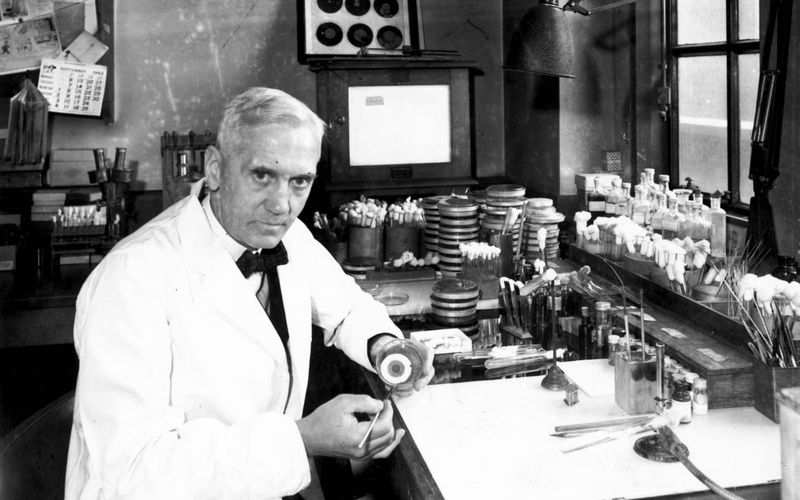
    Penicillin was discovered when Alexander Fleming observed that mold contamination had killed bacteria in a Petri dish he had left unattended.

    This accident led to the development of antibiotics, one of the most important medical breakthroughs in history, saving millions of lives.

    3. Post-it Notes

    Post-it adhesive was originally considered a failure because it was not strong enough for industrial use.

    However, this “weak glue” turned out to be perfect for reusable sticky notes, becoming an essential office and study tool worldwide.

    4. Chocolate Chip Cookies

    Chocolate chip cookies were created when a baker added chocolate pieces to cookie dough expecting them to fully melt.

    Instead, the chocolate chunks remained solid, creating one of the most popular desserts in the world.

    5. Teflon

    Teflon was discovered when a scientist found a slippery white substance inside a pressurized container that had been forgotten.

    This material turned out to be extremely heat-resistant and non-stick, widely used in cookware and industrial applications.

    6. X-Rays

    X-rays were discovered by Wilhelm Röntgen while experimenting with vacuum tubes when he noticed invisible radiation passing through objects.

    This discovery revolutionized medicine by allowing doctors to see inside the human body without surgery.

    7. LSD

    LSD was accidentally synthesized while researching compounds derived from lysergic acid.

    Although controversial, it later became an important subject in neuroscience and psychology studies.

    8. Velcro

    Velcro was inspired by burrs that stuck to a dog’s fur during a walk in nature.

    This natural mechanism was replicated to create a simple and effective fastening system used in clothing and equipment.

    9. Filter Coffee

    Modern filtered coffee methods developed through experimentation and preparation mistakes that led to improved brewing techniques.

    Today, it is one of the most widely used coffee preparation methods globally.

    10. Tempered Glass

    Tempered glass was discovered after observing that accidentally treated glass fragments behaved differently and were much stronger.

    This led to safer materials used in cars, buildings, and electronic devices.

    Why accidental discoveries matter

    Accidental discoveries have played a huge role in shaping modern society. Without them, many essential technologies and medical advances would not exist.

    Key impacts include:

    • 🏥 Advances in modern medicine
    • 🏭 Industrial innovation and manufacturing improvements
    • 🍽️ Better food preparation techniques
    • 📱 Development of everyday technologies
    • 🔬 Expansion of scientific research

    Lessons from unexpected discoveries

    These innovations teach an important lesson: not all mistakes are failures. Sometimes, they are opportunities in disguise.

    Successful innovators often share common habits:

    • Observing unexpected results carefully
    • Asking questions instead of ignoring anomalies
    • Experimenting with curiosity
    • Learning from failures instead of discarding them

    ⚠️ Important insights

    • Not every mistake leads to discovery, but every discovery requires observation.
    • Curiosity is more valuable than perfection in innovation.
    • Many breakthroughs require persistence and repeated experimentation.
    • Unexpected results should always be analyzed, not ignored.

    The history of innovation proves that progress is not always linear. Many of the most important discoveries in the world were not planned—they were accidents that turned into opportunities through curiosity and observation.

    From medicine to technology and everyday household items, accidental discoveries have shaped the way we live today. These examples remind us that even mistakes can lead to powerful breakthroughs when approached with the right mindset.

    In the end, innovation is not only about success—it is also about seeing potential in the unexpected.

    The Deeper Impact of Accidental Innovation on Society, Industry, and Human Thinking

    Beyond individual inventions, accidental discoveries have shaped something much bigger: the way humans think, create, and develop solutions to problems. When we analyze these unexpected breakthroughs as a whole, we begin to see a pattern that goes far beyond science or technology. It becomes a story about adaptability, observation, and the ability to find value where others see failure.

    In modern society, innovation is often associated with planning, funding, and structured research. However, history repeatedly shows that many transformative ideas emerge outside of these controlled environments. This is not a coincidence—it reflects how complex systems naturally produce unexpected results.

    Understanding this phenomenon helps explain why accidental innovation is still relevant today and why it will continue to influence the future.

    How Accidental Discoveries Change Problem-Solving Mindsets

    One of the most important effects of accidental innovation is psychological. It changes how people interpret mistakes in both professional and personal contexts.

    In traditional thinking, errors are often seen as obstacles that must be eliminated. But in innovative environments, mistakes are increasingly viewed as “data points.” This shift in mindset encourages experimentation rather than fear of failure.

    When individuals or organizations accept that not every outcome must match expectations, they become more open to exploring unusual results. This openness often leads to improvements that would never appear in rigid systems.

    For example, in research and development environments, unexpected experimental outcomes are now frequently documented instead of discarded. Over time, this practice increases the probability of discovering new relationships between materials, behaviors, or systems.

    This mindset shift is one of the most valuable indirect consequences of accidental innovation: it trains people to think differently.

    Industrial Evolution Driven by Unexpected Results

    Industries across the world rely heavily on precision, but even in highly controlled manufacturing environments, unexpected results still occur. What matters is how companies respond to these deviations.

    In many cases, production anomalies have led to improvements in efficiency, safety, or product performance. Engineers often discover that certain variations in temperature, pressure, or composition produce stronger or more durable outcomes than originally intended.

    Instead of rejecting these differences, modern industries often investigate them further. This approach has contributed to the refinement of production techniques in sectors such as automotive manufacturing, electronics, construction materials, and energy systems.

    What makes this particularly important is that industrial innovation is not always about creating something entirely new. Sometimes, it is about discovering that a “mistake” performs better than the original design.

    Complexity in Modern Science Increases the Chance of Accidents

    As scientific systems become more advanced, they also become more unpredictable. Fields such as genetics, particle physics, nanotechnology, and climate science involve variables that are extremely difficult to fully control.

    This complexity increases the likelihood of unexpected results during experiments and simulations. However, rather than being purely negative, these unexpected outcomes often point researchers toward new areas of study.

    For example, anomalies in experimental data can suggest previously unknown interactions between variables. In some cases, they lead to entirely new scientific theories or models.

    The key challenge for modern science is not avoiding these surprises, but correctly interpreting them. With advanced computational tools and data analysis methods, researchers are now better equipped than ever to detect meaningful patterns within unexpected results.

    Human Creativity and the Value of Imperfection

    Human creativity does not operate in a strictly logical or linear way. Instead, it often emerges from experimentation, iteration, and even confusion.

    Many creative breakthroughs happen when individuals step outside structured thinking and explore alternative possibilities. This process naturally involves mistakes, but these mistakes can trigger new ways of thinking.

    In psychology, this is often linked to cognitive flexibility—the ability to adapt thinking patterns when faced with new or unexpected information. People with higher cognitive flexibility tend to be better at transforming errors into opportunities.

    This is why accidental discoveries are not just scientific events; they are also reflections of how the human brain works when solving complex problems.

    The Digital Age: Unpredictability in a Highly Controlled World

    In today’s digital environment, systems are designed to be stable, efficient, and predictable. However, even the most advanced technologies can produce unexpected outcomes.

    Large-scale digital systems, including cloud computing networks, machine learning models, and global communication platforms, involve millions or even billions of interactions every second. At this scale, small variations can produce unanticipated behavior.

    Interestingly, these unexpected behaviors are not always harmful. In some cases, they reveal opportunities for optimization, new features, or improved system performance.

    This is particularly relevant in artificial intelligence, where systems can sometimes generate solutions or patterns that were not explicitly programmed by humans. These emergent behaviors are an area of active research and demonstrate how complexity can lead to innovation.

    Everyday Life and the Quiet Presence of Accidental Innovation

    Not all accidental discoveries happen in laboratories or industrial environments. Many occur in everyday life, often without people realizing their significance at first.

    Small adjustments in routines, cooking methods, DIY projects, or personal experiments frequently lead to improvements that become permanent habits or solutions. While these may not become global inventions, they represent the same fundamental principle: unexpected results can create value.

    This everyday form of innovation is important because it shows that creativity is not limited to experts or scientists. Anyone can encounter useful “mistakes” simply by trying something new and paying attention to the outcome.

    Why Accidental Innovation Will Always Exist

    Some people assume that as technology becomes more advanced, accidents will disappear. However, this is unlikely. The reason is simple: complexity always produces uncertainty.

    No matter how precise a system becomes, it still interacts with other systems, environments, and human behavior. These interactions create conditions where unexpected results can occur.

    Instead of disappearing, accidental innovation may actually evolve. It may become more subtle, harder to detect, and more dependent on data interpretation rather than direct observation.

    This means that future innovation will likely rely even more on the ability to recognize patterns in unexpected outcomes.

    Final Reflection on the Role of the Unexpected

    When viewed collectively, accidental innovations reveal an important truth about progress: it is not always controlled, predictable, or linear. Instead, it is often shaped by observation, curiosity, and the willingness to explore uncertainty.

    These discoveries highlight a fundamental aspect of human progress—the ability to transform unpredictability into opportunity. Whether in science, industry, or daily life, the unexpected continues to play a silent but powerful role in shaping the world.

    As systems grow more advanced and interconnected, the importance of understanding and interpreting unexpected results will only increase. The future of innovation may depend less on avoiding mistakes and more on learning how to recognize their hidden potential.

  • Simple Inventions That Changed the World: Small Ideas That Solved Humanity’s Biggest Problems

    Simple Inventions That Changed the World: Small Ideas That Solved Humanity’s Biggest Problems

    INTRODUCTION: When a Simple Idea Can Change History

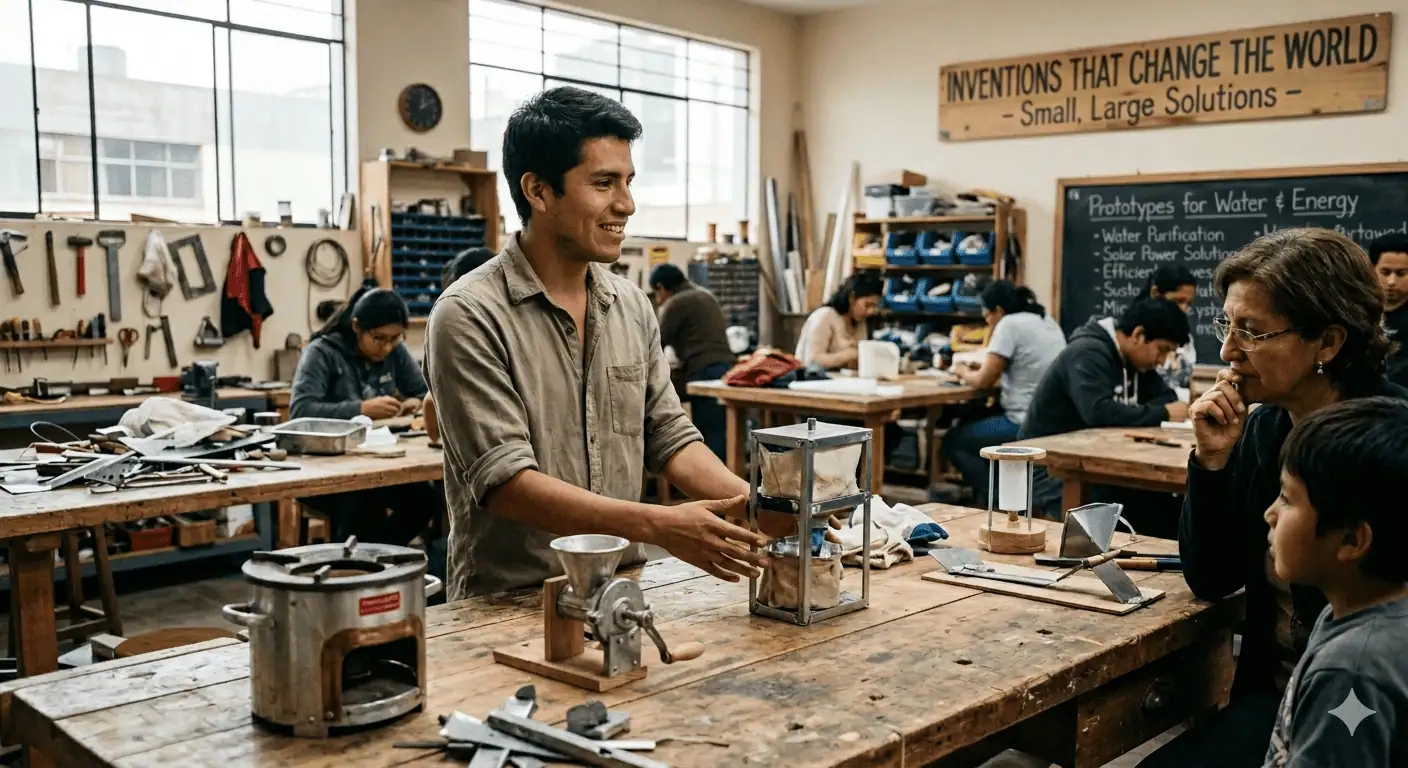
    Throughout history, humanity has faced enormous challenges related to health, communication, transportation, food, and survival. Many of the most important solutions did not come from extremely complex technologies, but from simple ideas created to solve real problems.

    An invention does not always need to be complicated to have a powerful impact. Some of the tools we consider normal today were born from basic observations: making a daily task easier, saving time, protecting people, or improving everyday life.

    From household objects to mechanisms that transformed entire industries, these inventions prove that human creativity can turn ordinary problems into opportunities for innovation.

    In this article, we will explore some of the simplest and most influential inventions in history, the problems they solved, their benefits, and the lessons they can teach us about creativity and progress.

    The Importance of Simple Inventions in Human Progress

    Many people believe innovation means creating advanced machines or futuristic technologies, but much of human progress started with small improvements.

    A simple invention usually has important characteristics:

    • It solves a real and common problem.
    • It is easy to understand and use.
    • It can adapt to different environments.
    • It can benefit large numbers of people.

    A small solution can become essential when it improves the lives of many.

    The history of humanity is full of examples where a basic idea became the foundation of modern civilization.

    A BASIC IDEA THAT TRANSFORMED TRANSPORTATION

    One of the most important inventions in human history is the wheel. Its design appears simple: a circular object that rotates around an axis.

    However, before the wheel existed, moving heavy objects was extremely difficult. People depended mainly on human and animal strength to transport materials.

    The wheel made it possible to:

    • Create more efficient transportation systems.
    • Improve trade between regions.
    • Support agriculture.
    • Develop new types of machines.

    Its impact was so significant that the basic principle is still used thousands of years later.

    BENEFITS OF THE WHEEL

    The wheel continues to be a fundamental part of:

    • Cars.
    • Bicycles.
    • Aircraft systems.
    • Industrial machines.
    • Manufacturing equipment.

    A simple circular design changed the way humans move, build, and work.

    Paper: A Solution for Preserving Human Knowledge

    Before paper existed, many civilizations used materials that were expensive, difficult to produce, or hard to transport.

    The need was simple: create a practical way to save information, stories, and discoveries.

    Paper helped humanity:

    • Share knowledge more easily.
    • Create books.
    • Expand education.
    • Preserve history.

    HOW PAPER CHANGED SOCIETY

    Thanks to paper, knowledge became more accessible. More people could study, learn, and share ideas across generations.

    Even in the digital era, the concept remains important: creating reliable ways to store and distribute information.

    Soap: A Simple Invention That Improved Human Health

    Personal hygiene has always been a major challenge for societies. For centuries, poor sanitation contributed to health problems.

    Soap became a practical solution for removing dirt and improving cleanliness.

    Its benefits include:

    • Supporting better hygiene habits.
    • Helping remove unwanted substances from the skin.
    • Improving daily health routines.
    • Contributing to cleaner environments.

    Although it seems like an ordinary product, soap has played an important role in human development.

    Eyeglasses: A Small Tool That Restored Opportunities

    For many centuries, people with vision problems struggled to read, work, or perform everyday activities.

    The invention of eyeglasses provided a simple solution: specially designed lenses that improved how people see.

    IMPACT OF EYEGLASSES

    This invention helped people:

    • Continue their education.
    • Perform professional activities.
    • Improve independence.
    • Access opportunities that were previously difficult.

    A small piece of glass changed the lives of millions.

    The Zipper: A Small Improvement in Everyday Life

    Clothing needed faster and more practical ways to open and close.

    The zipper became a simple alternative to traditional buttons and other systems.

    Today, zippers are used in:

    • Clothing.
    • Bags.
    • Sports equipment.
    • Industrial products.

    This invention shows how a small improvement can become part of everyday life worldwide,

    The Light Bulb: Bringing a New Way to Illuminate the World

    Before electric lighting, people depended mainly on candles, oil lamps, and fire.

    The development of electric lighting changed how people lived and worked.

    Its benefits included:

    • Safer indoor environments.
    • Longer working hours.
    • Growth of cities.
    • New economic opportunities.

    The goal was simple: provide light when people needed it.

    The Barcode: Organizing the Modern World With Simple Lines

    The barcode is a simple system made of lines and spaces that represent information.

    It solved an important problem: identifying products quickly and efficiently.

    Today, barcodes help with:

    • Retail operations.
    • Warehouses.
    • Logistics.
    • Inventory management.

    A basic pattern of lines became a key part of global commerce.

    Water Filters: A Simple Solution for an Essential Need

    Access to clean water has always been one of humanity’s most important challenges.

    Water filters were developed as practical tools to improve water quality by reducing unwanted particles and impurities.

    Benefits include:

    • Supporting hygiene.
    • Improving access to cleaner water.
    • Helping communities manage water challenges.

    This invention demonstrates that solving basic needs can create global benefits.

    Velcro: Innovation Inspired by Nature

    Velcro was created after observing how certain plants attached themselves to clothing and animal fur using tiny hooks.

    This natural mechanism inspired a practical fastening system.

    Today, Velcro is used in:

    • Clothing.
    • Medical equipment.
    • Sports products.
    • Everyday items.

    It is an example of how nature can inspire human innovation.

    Requirements for Creating a Useful Invention

    Not every invention requires expensive resources. Many ideas begin by observing everyday problems.

    Identify a Real Need

    Every invention starts with a problem.

    Useful questions include:

    • What difficulty exists?
    • Who experiences this problem?
    • How could it be improved?

    Create a Simple Solution

    The best ideas are often easy to understand.

    A practical invention should consider:

    • Ease of use.
    • Safety.
    • Cost.
    • Accessibility.

    Test and Improve

    Most inventions are not perfect at the beginning.

    Inventors usually test their ideas, discover weaknesses, and improve the design over time.

    Benefits of Simple Inventions

    Simple innovations create meaningful advantages.

    They Improve Quality of Life

    Many everyday objects exist because someone found a better way to complete a task.

    They Increase Efficiency

    A good invention can save:

    • Time.
    • Energy.
    • Resources.

    They Inspire Future Innovations

    One simple idea can become the foundation for future technologies.

    How to Apply This Mindset in Everyday Life

    Not everyone needs to become a famous inventor to think creatively.

    Anyone can develop an innovative mindset.

    Observe Everyday Problems

    Many great ideas come from normal situations.

    Examples:

    • A repetitive task.
    • A common inconvenience.
    • Something that could be faster or easier.

    Look for Small Improvements

    Innovation does not always mean completely replacing something.

    Sometimes a small change creates a major improvement.

    Continue Learning

    Creativity grows when we explore different areas:

    • Science.
    • Technology.
    • Design.
    • History.

    Important Tips for Future Inventors

    Creating something useful requires patience and continuous learning.

    Helpful advice:

    • Do not ignore simple ideas.
    • Pay attention to people’s needs.
    • Research before creating a solution.
    • Learn from mistakes.
    • Think about how the idea can help others.

    Many important inventions started as simple observations.

    The Future of Innovation: Solving Today’s Challenges

    Humanity continues to face new challenges involving:

    • Energy.
    • Environment.
    • Transportation.
    • Health.
    • Communication.

    The next important inventions may come from people who notice small problems and create practical solutions.

    An invention does not need to be complicated to be valuable.

    The most important factor is its ability to create a positive improvement.

    Great Changes Begin With Small Ideas

    History shows that many of humanity’s most important inventions started from simple needs and practical solutions.

    The wheel, paper, eyeglasses, soap, and many other inventions demonstrate that a small idea can transform millions of lives.

    Innovation is not only about advanced technology. It is about observing the world, understanding problems, and finding better ways to do things.

    Many great transformations begin with one simple question:

    How can we make this better?

    That question continues to drive human progress and creativity.