Transportation has always been one of the most important pillars of human development. From the invention of the wheel to modern aviation, every major advancement in mobility has reshaped economies, cities, and lifestyles. However, in recent decades, the pace of innovation has accelerated dramatically, pushing humanity toward a completely new era of transportation.
Today, we are witnessing a transition from traditional mobility systems to highly intelligent, connected, and sustainable transportation networks. This shift is not just about improving speed or comfort—it is about redesigning the entire concept of movement.
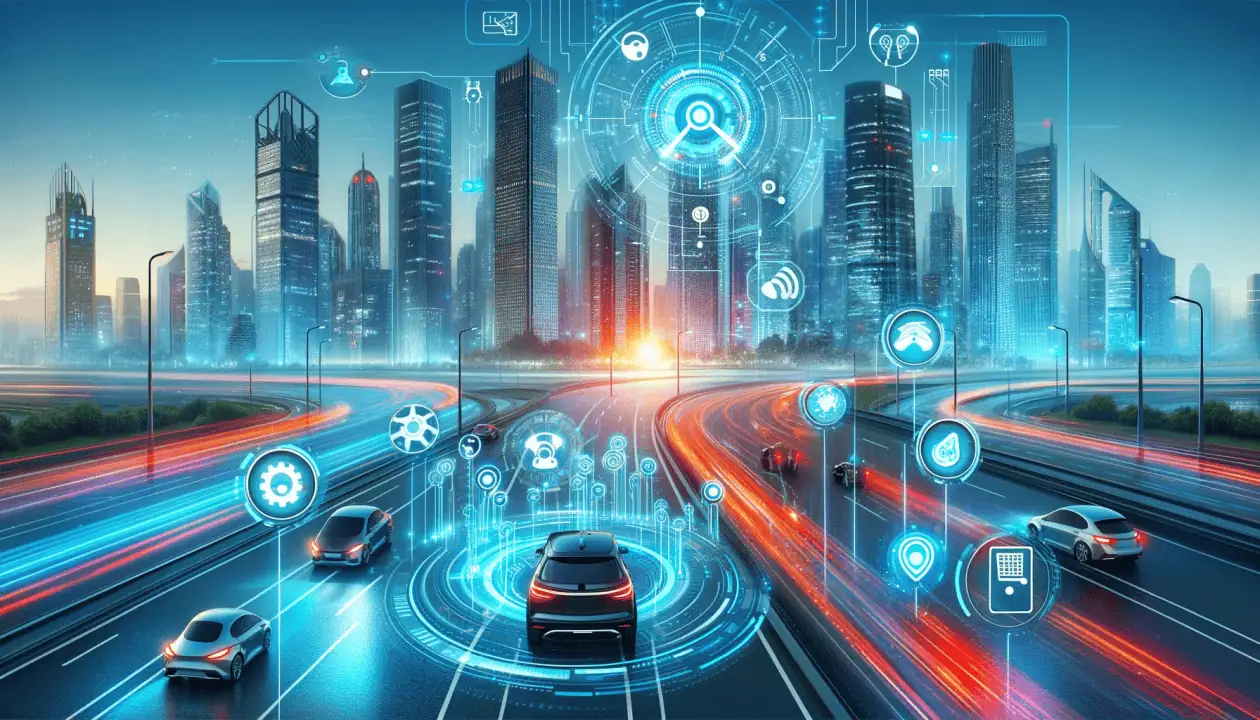
The future of travel is being shaped by artificial intelligence, electric power systems, autonomous vehicles, smart infrastructure, and global connectivity. These technologies are converging to create transportation systems that are safer, cleaner, faster, and more efficient than anything we have seen before.
As cities grow and environmental concerns increase, the need for smarter mobility solutions becomes more urgent. The transportation systems of the future will not only move people from one place to another but will also interact with them, adapt to their needs, and optimize every journey in real time.The Evolution Toward Future Transportation
For more than a century, transportation has been dominated by fossil fuel-powered engines. Cars, buses, airplanes, and ships have relied heavily on oil-based energy sources. While this system enabled global mobility on a massive scale, it also created challenges such as pollution, traffic congestion, and dependency on non-renewable resources.
Today, electric vehicles (EVs) are rapidly replacing traditional combustion engine vehicles. These modern cars offer cleaner energy consumption, lower maintenance costs, and quieter driving experiences. Governments and manufacturers worldwide are investing heavily in electric mobility to reduce carbon emissions and promote sustainability.
At the same time, autonomous vehicles are becoming one of the most revolutionary developments in the transportation industry. These vehicles use sensors, cameras, radar systems, and artificial intelligence to navigate roads without human intervention. Although still in development and gradual deployment, they have the potential to significantly reduce accidents caused by human error.
Air transportation is also evolving. Airlines are exploring hybrid and electric aircraft technologies for short-distance flights, aiming to reduce fuel consumption and environmental impact. In the long term, innovations in aviation may lead to faster, more efficient, and more sustainable global travel.
Public transportation is also undergoing a major transformation. Smart city initiatives are integrating buses, trains, and metro systems into unified digital networks that use real-time data to optimize routes, reduce delays, and improve passenger experience.
Key Technologies Driving the Future of Transportation
Artificial intelligence is one of the most important forces behind the future of mobility. AI systems analyze traffic patterns, optimize routes, and enhance safety by predicting potential risks in real time. In autonomous vehicles, AI acts as the central decision-making system.
Electrification is another key driver. Advances in battery technology, especially solid-state batteries, are expected to significantly increase driving range, reduce charging time, and improve energy efficiency. This will make electric vehicles more practical for mass adoption.
Connectivity technologies such as 5G and future 6G networks enable vehicles to communicate with each other and with infrastructure systems. This creates a fully connected transportation ecosystem where traffic flow can be managed dynamically and efficiently.
Augmented reality (AR) and virtual reality (VR) are also beginning to play a role in transportation. These technologies are used for navigation assistance, driver training simulations, and enhanced user experiences in both private and public transport systems.
Cloud computing supports all of these innovations by enabling real-time data processing, storage, and communication between millions of connected devices worldwide.New Forms of Future Travel
The future of transportation is not limited to improving existing systems; it also includes entirely new forms of mobility.
One of the most exciting innovations is the development of flying taxis, also known as eVTOL (electric vertical takeoff and landing) vehicles. These aircraft are designed for short urban trips, potentially reducing traffic congestion in crowded cities.
Hypersonic travel is another emerging concept. Hypersonic aircraft could travel at speeds exceeding Mach 5, making it possible to cross continents in just a few hours. While still in early development stages, this technology could revolutionize long-distance travel.
Maglev (magnetic levitation) trains are also gaining attention. These trains use magnetic forces to eliminate friction, allowing extremely high speeds with improved energy efficiency compared to traditional rail systems.
Another futuristic concept under exploration is vacuum tube transportation, where passenger pods travel through low-pressure tubes at high speeds. Although experimental, this idea represents a radical shift in ground transportation.Requirements for the Future Transportation System
The transition to future mobility systems requires more than just technological innovation. One of the most important requirements is infrastructure development. Cities must be redesigned to support electric charging stations, smart traffic systems, and autonomous vehicle networks.
Government regulation is also essential. Clear laws and safety standards must be established to ensure the safe deployment of autonomous and AI-driven transportation systems.
Significant investment in research and development is required to turn experimental technologies into scalable real-world solutions. Without funding, many innovations will remain theoretical.
Public acceptance is another critical factor. People must trust and understand new technologies before they can be widely adopted. Education and awareness will play a key role in this process.Benefits of Future Transportation Systems
The future of transportation offers numerous benefits that can transform society.
One of the most important advantages is environmental sustainability. Electric and hybrid systems significantly reduce greenhouse gas emissions, helping combat climate change.
Safety improvements are another major benefit. Autonomous systems are designed to reduce human error, which is responsible for the majority of road accidents today.
Efficiency will also increase dramatically. Smart routing systems and connected infrastructure will reduce traffic congestion and travel times, especially in large urban areas.
Accessibility will improve as well. Future transportation systems will provide better mobility solutions for elderly individuals and people with disabilities, making travel more inclusive.
Economic benefits will also emerge as new industries are created around electric mobility, autonomous systems, and smart infrastructure.How to Prepare for the Future of Transportation
Adapting to the future of mobility involves understanding emerging technologies and gradually integrating them into daily life.
The first step is becoming familiar with electric vehicles, autonomous systems, and smart mobility applications. Understanding how these technologies work helps reduce uncertainty.
The second step is learning about sustainability and environmental impact. Future transportation is closely tied to eco-friendly practices and energy efficiency.
The third step is staying informed about technological trends, government regulations, and industry developments related to mobility.
The fourth step is gradually adopting new transportation solutions, such as electric vehicles, ride-sharing platforms, and smart navigation systems.
Finally, maintaining a flexible mindset is essential, as transportation systems will continue to evolve rapidly in the coming decades.Important Tips About the Future of Travel
One key idea to understand is that transformation will happen gradually. Traditional and modern transportation systems will coexist for many years before full transition occurs.
Safety should always be a priority when adopting new technologies, especially autonomous or AI-driven systems.
Environmental responsibility is also important. Choosing sustainable transportation options helps reduce pollution and supports global climate goals.
It is also essential to stay informed before adopting new technologies, as each innovation comes with both advantages and limitations.
Finally, openness to innovation will help individuals and societies benefit from the future of transportation more effectively.The future of travel and transportation is entering a revolutionary phase driven by artificial intelligence, electrification, connectivity, and advanced infrastructure. These technologies are reshaping how people move, interact, and experience the world.
Transportation systems are becoming smarter, faster, safer, and more sustainable. While challenges such as infrastructure development and public acceptance still exist, the overall direction of innovation is clear.
As we move forward, travel will no longer be just about reaching a destination—it will be about experiencing a fully connected, intelligent, and efficient mobility ecosystem designed to improve life on a global scale.